
Metal Card Thickness Explained: Your Guide to Premium Business Cards
Ever picked up a business card and just thought, “Wow, this feels different”? That’s the magic of a metal card and, more specifically, its thickness. Let’s break down what makes premium metal cards stand out, how to pick the best thickness for your brand, and why it all matters.
Why Does Metal Card Thickness Matter?
Think about it: thickness isn’t just about weight. It’s about the impression you leave.
Thicker cards:
Feel solid and substantial in your hand
Signal quality and permanence
Resist bending and wear
But go too thick and:
Your card starts to feel like a mini dumbbell
It won’t fit comfortably in wallets or cardholders
Costs go up fast!
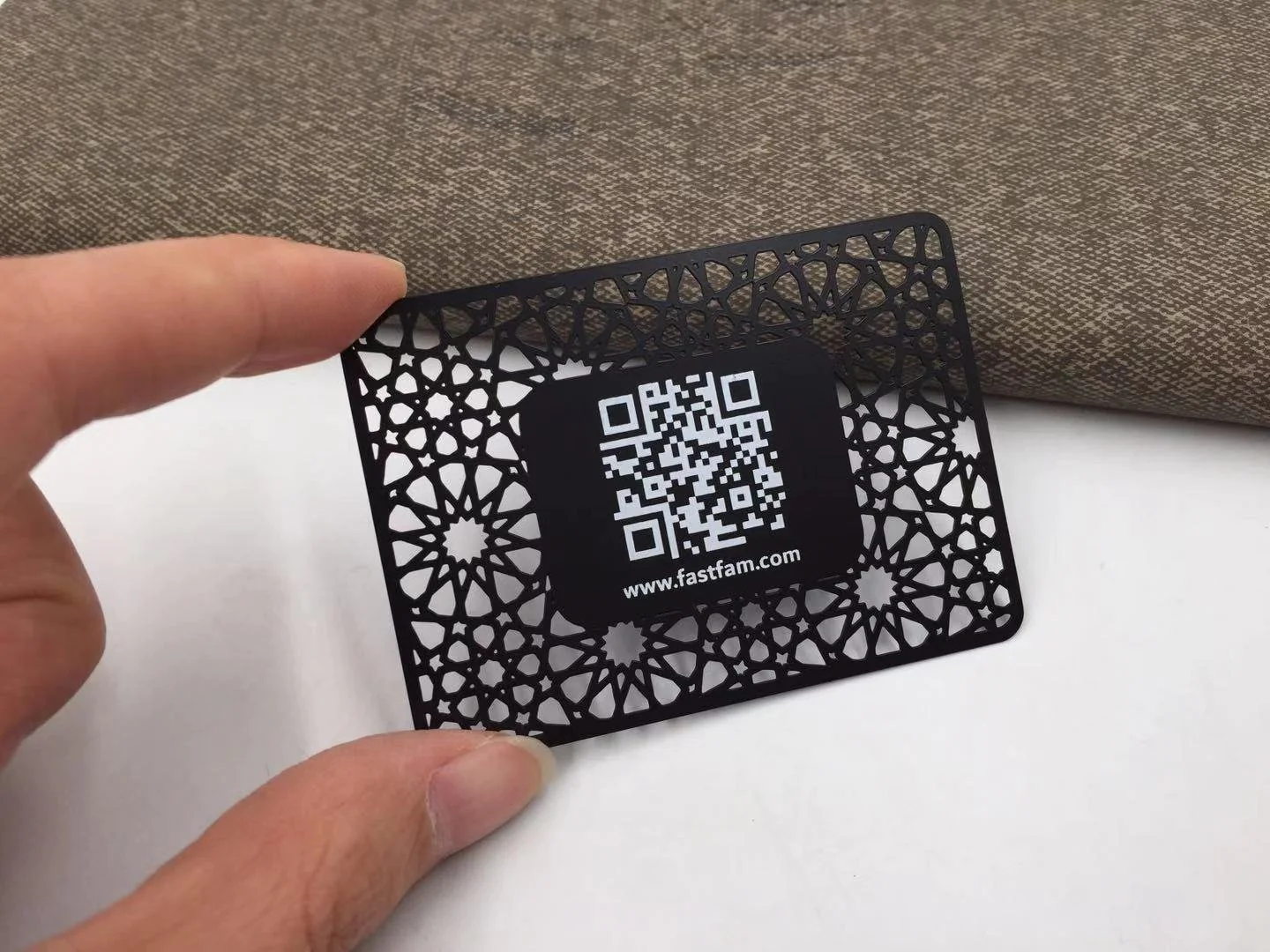
Finding that sweet spot: Most premium metal cards are between 0.3mm and 1.0mm thick. The “golden zone” is usually 0.5mm to 0.8mm. For more details about ideal metal card thickness, check out this guide.
How Thickness Shapes Perception & Usability
First Impressions Count
Thicker = more premium. People notice the weight and feel.
Slimmer cards are easier to carry, but might feel less impressive.
Handling DaytoDay
Thick cards are sturdy, less likely to bend or get damaged.
But too much heft can be awkward imagine trying to squeeze a mini metal plate into your wallet!
Quick Tip: If you want people to keep your card, make sure it fits easily where they’d store it.
Standard Thicknesses: What Do Those Numbers Mean?
Here’s a cheat sheet for common metal card thicknesses:
| Thickness (mm) | Common Feel | Typical Material |
| 0.3 – 0.4 | Slim, agile | Aluminum |
| 0.5 – 0.6 | Balanced premium | Stainless, Aluminum |
| 0.7 – 0.8 | Hefty, luxe | Stainless, Titanium |
| 1.0+ | Super chunky | Brass, Copper |
Not sure what to choose? Ask for samples nothing beats holding the real thing!
Material Choices: How They Affect Thickness
Your choice of metal totally changes the game:
Aluminum: Lightweight, even at thicker gauges.
Stainless Steel: More solid, slightly heavier per mm.
Titanium: Strong, premium, but not overly heavy.
Brass/Copper: Rich color, often thicker for durability.
Pro tip: Even with the same thickness, different metals will feel different in your hand.
The Cost Factor
Let’s be real thicker (and heavier) cards cost more to make and ship. Here’s how the math works:
Material Cost: Thicker = more material = higher price.
Production: Thicker cards can slow down production (think: more wear on tools).
Shipping: Heavier shipments = higher shipping costs.
How to Save:
Consider standard thicknesses for bulk orders.
Bundle with other premium features (like engraving) for added value without maxing out thickness.
Design Tips: Thin vs. Thick
Don’t just default to “thicker is better.” Think about your brand:
Thin cards are modern, minimalist, and easy to carry.
Thick cards scream luxury and can make a big, bold statement.
Edge finishes matter, too:
Polished: Feels highend, shiny.
Brushed: Reduces glare, feels more utilitarian.
Choosing the Right Thickness for YOUR Brand
Here’s how to make a smart choice:
- Match your brand: Are you bold, refined, minimalist, or approachable?
- Think about use: Will these be handed out at events? Mailed? Kept in wallets?
- Durability needs: Harsh environments? Go thicker. Digital brand? Lighter might be fine.
- Test it out: Always request samples!
- Document your choice: So your next reorder is consistent.
Quick Recap
0.50.8mm is the premium sweet spot for most brands.
Material choice changes feel and cost.
Edge finish and design details matter just as much as thickness.
Balance premium feel with practicality if your card’s too chunky, it might end up in a drawer!
Need help deciding? Don’t be shy ask for samples, play around with options, and choose the one that feels right for your brand (and your pocket).
That’s it! Metal card thickness, demystified.